

Rushing around checking all the plugs are off. Tick. Getting bags packed and squeezed into the boot. Tick. Planning the perfect route to avoid traffic (that we all know won’t work).
Road trips are great fun, but they can be stressful. So, the last thing anyone wants is something to go wrong with their vehicle.
We frequently use our cars for short journeys around town or on low-speed, stop-start commutes. But, long trips cruising at motorway speeds can prompt problems (if you haven’t stayed on top of basic maintenance).
So, here are our best tips to help make sure you arrive at your destination stress and trouble-free – plus a few essentials to help you stay safe and legal on the road.
1. Inspect your car’s tyres before a road trip
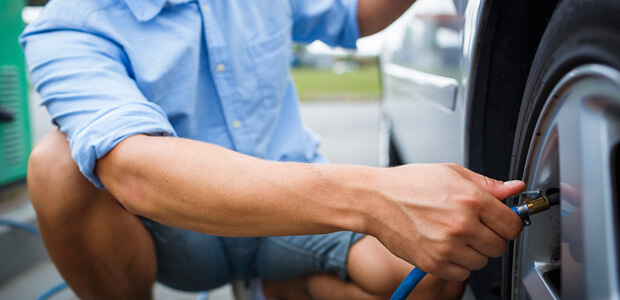
As your only contact with the road, it’s important that your tyres are in tip-top shape.
First, make sure they’re at the right pressure. Tyres without the right amount of air in them will at best cause your car to drink more fuel, and at worst overheat and explode at speed.
Your vehicle’s manual will explain what pressure you should be aiming for.
Next, check the depth of the tread. The legal minimum is 1.6mm, but you may want to change them before this for improved road performance. Most UK motoring experts recommend replacing tyres at 3mm for better wet-weather grip.
Finally, inspect each tyre for lumps and cuts. Either can be a weakness and may cause an unexpected blowout.
2. Check under the bonnet
Make sure your car is topped up with fluids.
Consult your car’s handbook to find out where the oil dipstick is (some vehicles have electronic oil measurement systems) and the location of the brake and coolant reservoirs.
Oil is the engine’s lifeblood, so you need to make sure it’s at the right level.
Pull the dipstick out, give it a wipe and put it back in. This is important as oil moves around when your car’s been on the move, so you need to do a fresh measurement from a stationary position.
When you pull it out again, check that the oil is between the minimum and maximum lines.
Both the brakes and coolant levels should also be between the minimum and maximum markers. If they’re not, top them up yourself or get them topped up at a garage.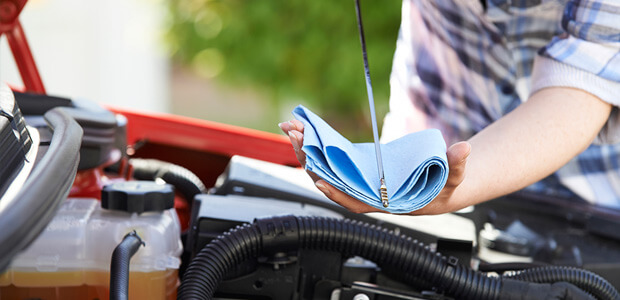
3. Fill the washer bottle
The more miles you do, the dirtier your windscreen will get. And that’s where your windscreen washers come in.
While you’re under the bonnet checking the oil, fill the windscreen washer bottle using a dedicated mixing fluid.
If you’re going somewhere cold, make sure you increase the proportion of screen wash to water to prevent it from freezing.
4. Consider breakdown cover
Breaking down, whether in the UK or abroad, can be a major hassle. So, before you head off on any road trip, it’s worth having a think about breakdown cover.
If you do have cover, then make sure you have easy access to your provider’s contact info. Many breakdown cover providers have apps, which you should download and activate prior to your trip.
5. Look up the local laws when driving abroad
If you’re driving abroad, it’s worth reading up on the local laws in the country you're visiting.
Legislation changes depending on the country you’re in, so read up on the rules for driving in different countries.
Post‑Brexit, some requirements have changed – including UK stickers, International Driving Permits (IDPs) in certain countries, and mandatory safety equipment in parts of Europe.
6. Check your legal requirements
Before a long journey, it’s worth making sure your vehicle is legally compliant – especially if it’s not something you check regularly.
Make sure your MOT is valid
If your car is over three years old, it must have a valid MOT certificate. Driving without one can result in fines and may invalidate your insurance.
Confirm your vehicle tax
Your car must be taxed to be driven on UK roads.
Check your insurance
Ensure your policy is active and appropriate for your trip. If you’re travelling abroad, check whether you need additional cover.
Check your driving licence
Make sure your licence is valid and your details are up to date.
7. Pack an emergency kit
Even a well‑maintained car can run into trouble, so it’s wise to carry a basic emergency kit. We recommend that you include:
- A warning triangle
- High‑visibility vest
- First‑aid kit
- Torch
- Jump leads
- Tyre inflator or puncture repair kit
- Spare bulbs
- Blanket, water and snacks
- Power bank or in‑car charger
These items are inexpensive but invaluable if you break down in an unfamiliar area.
8. Prepare your EV for a long trip
If you drive an electric vehicle, a little extra planning helps ensure a smooth journey.
- Plan your charging stops. Use apps like Zapmap, BP Pulse or Chargemap to map out chargers along your route. You can also use your vehicle’s navigation.
- Check your charging cables. Make sure you have the right cables and any required RFID cards or apps.
- Pre‑condition your battery. Most EVs allow you to warm or cool the battery before departure to improve efficiency.
- Consider the weather. Cold weather reduces range, while hot weather increases cooling demand (and will drain your battery).


